A proactive patient support platform designed to simplify healthcare communication
The Challenge
Healthcare systems generate information, but they rarely coordinate experiences.
Patients are expected to manage complex care plans through a mix of portals, emails, printed instructions, and phone calls. Providers rely on disconnected tools that record activity but offer little support in guiding patients through what comes next. The result is fragmented communication, missed steps, and unnecessary strain on care teams.
We identified an opportunity to address this gap by designing a proactive patient support system that works across the entire care journey. The goal was not to introduce another app or portal, but to reduce reliance on them altogether. The product needed to adapt to provider-specific care plans, integrate with existing systems, and deliver timely, relevant guidance without adding operational overhead.
Our Approach
We approached the problem as a systems design challenge, not a UI exercise.
Rather than optimizing screens, we focused on orchestration. How information moves between systems. When patients need clarity or reassurance. Where breakdowns typically occur. And how care teams are forced to intervene manually when communication fails.
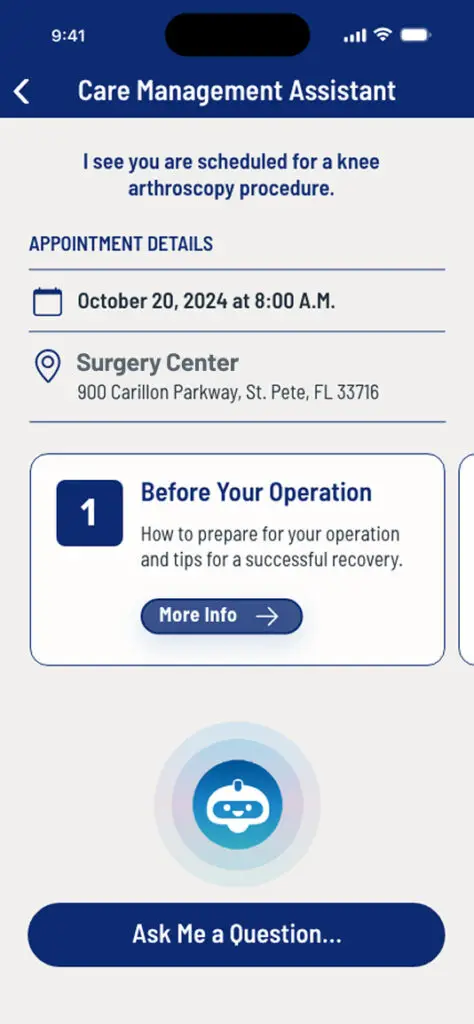
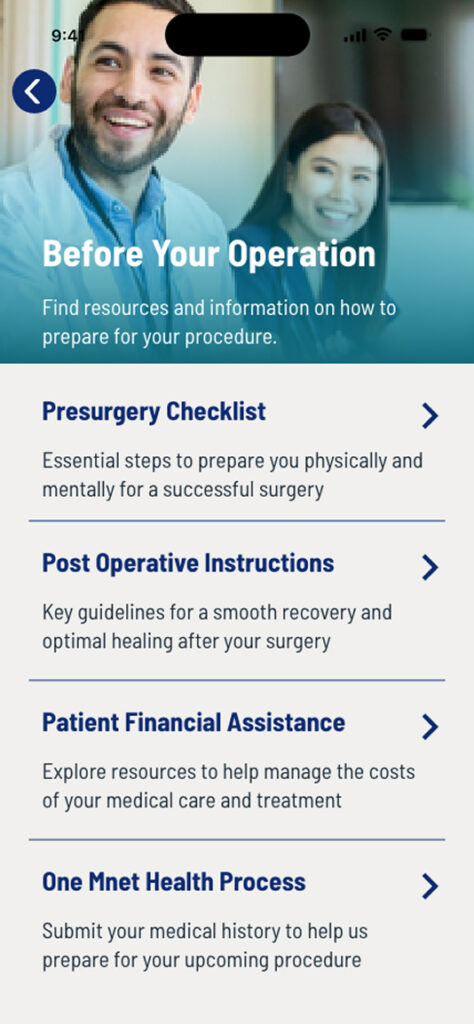
The platform was designed to operate largely in the background, coordinating patient communication across pre-procedure, post-procedure, and long-term care scenarios while remaining flexible enough to reflect how each provider actually delivers care.
Key Decisions
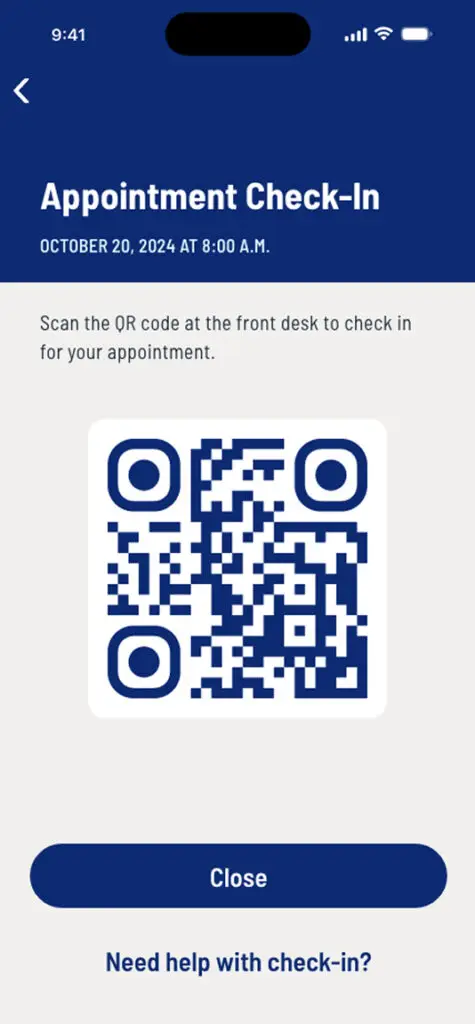
We intentionally designed the product to be proactive. Patients should not have to log in, search for answers, or remember where to go. The system delivers guidance when it matters most, reducing cognitive load and helping patients feel supported rather than overwhelmed.
Flexibility was essential. Healthcare workflows vary widely, even within the same specialty, so we avoided default templates and rigid care journeys. Instead, the platform supports provider-defined care plans, allowing organizations to structure communication around their own processes and timelines.
We also chose to aggregate data rather than introduce another destination. Medical portals are often difficult to navigate and poorly adopted. By connecting to existing EMRs, scheduling systems, and knowledge sources, the platform delivers coherent, contextual communication without forcing patients or staff to manage yet another interface.
AI is used deliberately and responsibly. It supports common questions, reinforces care instructions, and helps scale patient communication without replacing clinical judgment. Trust, clarity, and tone guided every decision around how AI appears in the experience.
Because the product is not interface-driven, success is measured differently. Reduced inbound calls, improved adherence to care plans, lower administrative burden, and more confident patients are stronger indicators of impact than traditional engagement metrics.
The Outcome
The result is a proactive patient support platform that simplifies healthcare communication without adding complexity. By integrating with existing systems, adapting to real-world care workflows, and delivering timely, contextual guidance, the platform helps providers scale support while maintaining a human experience.
This project reflects our belief that the most effective digital products are often the least visible. When done well, they fade into the background and make complex systems feel easier to navigate.